Extract frames from video
Save any moment of a video as a JPG or PNG at the video's full resolution, the exact frame and not a blurry screenshot, or take one every few seconds and download them as a ZIP. It all happens on your device, so your video is never uploaded.
A free tool from Clyper, the AI clipping tool that turns long videos into captioned vertical clips.
Get startedOpening the video…
0:00.000 / 0:00.000
Keys: ← → one frame, Shift + ← → one second, space to play or pause. Click the bar to jump.
MP4, MOV or WebM, or drop one on the player. Frames are decoded on your device: nothing is uploaded.
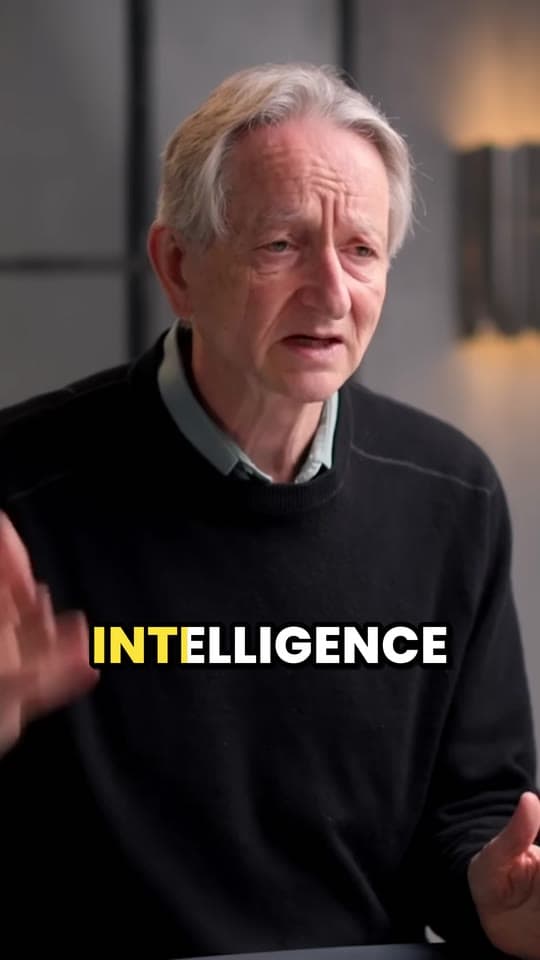
An example: 8 seconds of IMPAULSIVE
Save this frame
JPG at 90 or more looks the same as PNG at a fraction of the size.
Extract many frames
Open a video to choose.
How to extract frames from a video
- Open your video, or drop it on the player. MP4, MOV and WebM work, from a phone, a camera or a screen recording. The example shows how it works before you choose one.
- Find the moment. Drag the bar, or play and pause. Then step one frame at a time with the arrow keys (or the buttons), and a second at a time with Shift.
- Save the frame. Pick JPG (with its quality) or PNG and press Save frame. It's named after the video and the moment, like
interview-01m23.500s.jpg. - Or take many. Choose one frame every so many seconds or frames, set where to start and stop, and press Extract. Click a thumbnail to save that one, or download them all as a ZIP. Up to 300 frames an extraction.
Phone videos filmed upright are often stored sideways with a note to turn them, and the tool reads that note, so the stills come out the right way up. For more ways, on a Mac, on Windows and on a phone, see how to get a still image from a video, in full quality.
How to get a still from a video in high quality (and why screenshots look worse)
Take the frame from the file, not from the screen. A frame grabbed from the video has exactly as many pixels as the video: a 1080p video gives a 1920 × 1080 image, a 4K one 3840 × 2160. A screenshot only has the pixels the player took up on your screen, and usually more problems besides:
| Screenshot of the player | Frame from the file (this tool) | |
|---|---|---|
| Size | The player's size on screen, often smaller than the video | The video's full resolution |
| Which frame | Whatever was showing when you pressed the keys | The exact frame you stepped to |
| What's in it | Can catch play buttons, captions, a cursor or the progress bar | Only the picture |
| Source | A streaming player may be showing a lower-quality copy | The file itself, decoded once |
| Saved as | Your system's screenshot format, sometimes compressed again | JPG at the quality you pick, or lossless PNG |
Two things no tool can fix: a frame can't be sharper than the video, and a fast-moving moment is blurred in the video itself. Step a few frames either way. In talking videos, the frame just as a word ends, with the mouth closed and the eyes open, is usually the sharpest and the most flattering.
| Video | Still from the file | Megapixels |
|---|---|---|
| 720p | 1280 × 720 | 0.9 MP |
| 1080p (Full HD) | 1920 × 1080 | 2.1 MP |
| 1440p | 2560 × 1440 | 3.7 MP |
| 4K (2160p) | 3840 × 2160 | 8.3 MP |
| Vertical 1080p (TikTok, Reels, Shorts) | 1080 × 1920 | 2.1 MP |
Video to JPG or PNG: which to choose
JPG for sharing and thumbnails; PNG for editing. Both keep the frame's full size. They differ in how they store it:
| JPG | PNG | |
|---|---|---|
| Compression | Lossy: drops detail the eye barely sees, more at lower quality | Lossless: every pixel as decoded |
| File size | Small; usually several times smaller than PNG at quality 90 | Large, especially for 4K or grainy footage |
| Best for | Thumbnails, covers, posts, contact sheets, sending | Editing and saving again many times, print, frame-by-frame analysis |
| Uploads | Every app and site takes it | Most apps take it; some limit the file size |
A video is already compressed, so a PNG doesn't add detail; it just doesn't lose any more. That's why the tool starts on JPG at 92. YouTube's thumbnail upload from the app is limited to 2 MB, which a 1080p JPG fits easily.
Extracting every frame, or one every few seconds
A video has far more frames than it looks: a minute at 30 frames a second is 1,800 images. Picking a step keeps it useful. Here's what each gives from one minute of 30 fps video:
| Step | Frames from a minute |
|---|---|
| Every frame | 1,800 |
| Every 15 frames | 120 |
| Every 30 frames | 60 |
| Every 0.5 seconds | 121 |
| Every 1 second | 61 |
| Every 5 seconds | 13 |
| Every 10 seconds | 7 |
Each extraction takes up to 300 frames, so it stays quick and fits in your browser's memory; for more, run it again on the next range. Every frame is for studying motion or picking the one perfect frame of a fast moment. Every few seconds is for a contact sheet, a storyboard, or finding which part of a long video is which. Steps in frames are exact; steps in seconds take the frame on screen at each moment.
Use a frame as a thumbnail or cover
A frame of your own video is the most honest thumbnail there is, and the easiest: a clear face, mid-reaction, is what most good thumbnails are built on. Save it as JPG, then:
- For a 16:9 YouTube thumbnail, open it in the YouTube thumbnail maker and add a few bold words. More in how to make a YouTube thumbnail.
- For a 9:16 cover on Shorts, TikTok and Reels, use the Shorts thumbnail maker, and see how to change a YouTube Shorts thumbnail.
Stills show you what a video looks like. To find the moments in it worth posting, what's said matters more: Clyper reads a long video's transcript, picks the moments that stand on their own and makes each one a vertical clip, captioned and ready to post.
Questions
How do I extract a frame from a video?
Open the video in the tool above, move to the moment with the bar, then step frame by frame with the arrow keys or buttons until it's the one you want. Pick JPG or PNG and press Save frame. You get the exact frame at the video's full resolution, made on your device.
How do I get a high-quality still from a video?
Take the frame from the video file rather than a screenshot of a player. A screenshot is only as sharp as the player on your screen, and it can catch overlays and a streaming copy at lower quality. Saving the decoded frame keeps every pixel the file has: 1920 × 1080 for a 1080p video, 3840 × 2160 for 4K.
Why does my screenshot of a video look blurry?
Because it captures the screen, not the video. If the player is smaller than the video, the screenshot has fewer pixels; if it was moving, you may catch a blurred in-between frame; and players and streaming sites often show a lower-quality copy to save data. Grabbing the frame from the file avoids all three.
Should I save frames as JPG or PNG?
JPG for almost everything: at quality 90 or more it looks the same as PNG and the file is usually several times smaller. Choose PNG when you'll edit the image a lot and save it again, or need every pixel exactly as decoded. Neither adds detail the video didn't have.
How do I extract all frames from a video?
Choose Frames, then "every frame", set the range and press Extract. Each extraction makes up to 300 images, which is 10 seconds of 30 fps video, so take a long video in several ranges or pick a bigger step, like one frame a second.
Is my video uploaded?
No. Your browser reads the file and decodes the frames on your device with WebCodecs, the video decoder built into the browser. Nothing is sent to Clyper or anyone else.
Can I use a frame as a YouTube thumbnail?
Yes, and it's a good start: YouTube suggests a 16:9 image, which a frame from a 16:9 video already is. Save it as JPG, then add a few bold words in the YouTube thumbnail maker. For Shorts, TikTok and Reels covers, use the Shorts thumbnail maker.
Find the moments worth clipping
Paste a YouTube link and Clyper finds a long video's best moments and makes up to 30 vertical clips, cut on whole sentences, framed on whoever's talking and captioned.
See plans and pricing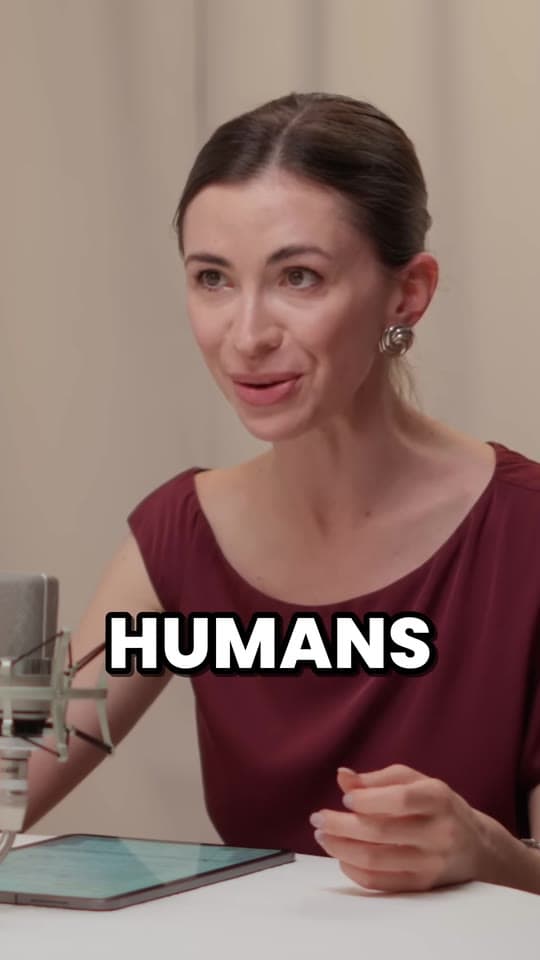

Guides
- Making clipsHow to get a still image from a video, in full qualitySave any moment of a video as a full-resolution JPG or PNG, or many at once, and use them for thumbnails, covers and posts.9 min read
- Making clipsHow to make a YouTube thumbnail that gets clicksThe size YouTube asks for, what makes people click, how to make one free or in Canva or Photoshop, and how to test it.13 min read
- GrowingHow to change a YouTube Shorts thumbnail (and make a good one)Who can upload a custom Shorts thumbnail, the steps in YouTube Studio and the app, the size to make it, and what makes a cover people tap.9 min read
More free tools
- Vertical video converterTurn a horizontal video into a 1080 × 1920 one for TikTok, Reels and Shorts, cropped or fitted, without uploading it.
- Video highlight finderFind the liveliest moments in a stream, podcast or video by its sound, jump to each one and save it as a clip, without uploading it.
- Video clipperCut several clips from one long video at once: mark each moment or paste its timestamps, then keep them as they are or make them vertical. Nothing is uploaded.
- Split screen video makerStack a streamer's webcam over the game, two people talking, or a clip over gameplay, in one 1080 × 1920 video.
- Crop videoCrop a video to any shape, 9:16, 1:1, 4:5 or your own, by dragging a box over it, without uploading it.
- Video resizerResize a video for TikTok, Instagram, YouTube or any size you type: cropped to fill, or whole on a blurred background, without uploading it.
- Add text to videoPut a title, a hook or a label on a video, styled the way clips are and placed clear of the apps' buttons, as an MP4 with no watermark.
- Add watermark to videoPut your @handle or logo on a video, see-through, in any corner or moving between them, clear of the apps' buttons.
- Add progress bar to videoPut a bar on a video that fills as it plays, at the top or bottom, in your colors, so viewers see how much is left and stay to the end.
- Rotate videoTurn a sideways or upside-down video the right way up, or flip it, in seconds and without uploading it.
- Add captions to videoBurn captions into a vertical video, word by word in the styles clips use: transcribed from its speech, or from an SRT or VTT file.
- Auto caption generatorTurn a video's speech into timed captions in your browser: edit them, download SRT or VTT, or burn them into a vertical video.
- SRT to VTT converterConvert subtitles between SRT and VTT, shift their timing, or turn them into plain text, in your browser.
- Video to text converterTranscribe a video or audio file into text with timestamps, in your browser, and copy or download it.
- Video compressorMake a video smaller to fit Discord, an email or any size you pick, as an MP4, without uploading it.
- MP4 converterTurn MOV, MKV, WebM and other videos into MP4, several at once, without losing quality when the formats allow, and without uploading them.
- Video trimmerCut a video down to the part you want, at the same size and quality, in your browser and without uploading it.
- Video splitterSplit a video into parts: every 30 or 60 seconds, into equal parts, or where you mark it, kept as it is or 9:16 and numbered.
- Merge videosJoin clips into one video, in the order you choose, fitting clips of other shapes on a blurred background, black bars or a crop.
- TeleprompterRead your script on camera: it scrolls at your speaking pace, pauses when you do, and can record you with your camera.
- Speed up videoSpeed a video up or slow it down, from 0.25× to 4×, keeping the voice's pitch, and download the MP4. Works on audio too.
- Video to GIF converterTurn a few seconds of a video into a GIF, at the size and smoothness you pick, in your browser.
- Loop videoRepeat a clip a set number of times or to a length you choose, with an optional crossfade so the loop is seamless, as an MP4.
- Slideshow video makerTurn photos into a 9:16, square or 16:9 video with gentle motion, captions and music, in your browser and without a watermark.
- Remove background noise from videoTake fans, hum, traffic and room noise out of a video's sound (or a sound file's) and keep the voice, on your device.
- Increase video volumeMake a quiet video louder: it's measured in LUFS and brought up to -14 LUFS, a common level for social video, without distorting.
- Bleep censorBleep the swearing out of a video or podcast: it's transcribed on your device, the swear words found, and each one bleeped.
- Add music to videoPut a song under a video's sound: set the volumes, fade it, loop it, and let it dip when someone talks. Download the MP4.
- Video to MP3 converterSave a video's sound as an MP3, M4A or WAV, all of it or just a part, in your browser and without uploading it.
- Audiogram makerTurn a podcast's audio into a video: its cover, a waveform that moves with the sound and captions from the speech, as a 9:16, square or 16:9 MP4.
- Remove audio from videoTake the sound out of a video, keeping the picture exactly as it is, in seconds and without uploading it.
- Remove silence from videoCut the pauses out of a talking video or podcast automatically: hear it without them first, then download a tighter MP4.
- Video size checkerCheck a video's shape, size, length and format against what TikTok, Reels and Shorts take, and see what to fix.
- Safe zone checkerCheck your clip against TikTok, Reels and Shorts' buttons and captions before you post.
- Social media character counterCount the characters and hashtags in a caption, title or post the way TikTok, Instagram, YouTube and X count them, and trim it to fit.
- YouTube thumbnail makerMake a 16:9 thumbnail from a frame of your video: a bold title, your face on top, and a preview the way YouTube shows it.
- YouTube banner makerMake a 2560 × 1440 YouTube channel banner with your name and schedule inside the area every device shows, and preview it on a TV, a computer and a phone.
- Stream schedule makerMake a weekly stream schedule image for X, Discord, Instagram and Stories, with your times in your viewers' time zones too, free and without signing up.
- Shorts thumbnail makerMake a 9:16 cover for a Short, a TikTok or a reel: a frame of your video with a bold title, at the sizes the apps suggest.
- YouTube clip makerClip any moment of a YouTube video by its start and end, and share it as a link, an embed or its timestamps.
- YouTube timestamp generatorMake chapters for a YouTube description: mark them as the video plays or from its transcript, checked against YouTube's rules.
- YouTube thumbnail downloaderGet any YouTube video's thumbnail in every size YouTube keeps, up to 1280 × 720, from its link.
- Aspect ratio calculatorFind any size's aspect ratio, a new width or height at the same ratio, and the crop for 9:16, 1:1 or 4:5.
- Video bitrate calculatorWork out a video's file size from its bitrate and length, the bitrate that fits a size limit, and the settings each app recommends.
- Clipping earnings calculatorSee what your clips could earn on campaigns that pay per 1,000 views, by the day, month and year.
- AI clipping cost calculatorSee what AI clipping costs you on Clyper for the video you clip each month: the plan that covers it, and the cost per video, clip and hour.
- Clips per video calculatorSee how many clips one video makes: paste a YouTube link or type its length, and get the clips, the days of posts and what a clip costs on Clyper.
- Clipping rate calculatorWork out what to charge for clipping: a price per clip and a monthly package, from your time, your costs and what you want to earn.
- YouTube Shorts money calculatorSee what YouTube Shorts pay for your views, from the ad revenue Shorts share with creators in the Partner Program.
- TikTok money calculatorSee what TikTok's Creator Rewards Program could pay for your views, per 1,000 qualified views.
- Instagram money calculatorEstimate what an Instagram account can earn from brand deals, gifts and subscriptions, and what the same views pay on other apps.
- YouTube money calculatorSee what your YouTube videos could earn from ads, per 1,000 views, by the month and the year.
- Twitch money calculatorSee what your Twitch subs, Prime subs, Bits and ads could pay a month and a year, on the standard 50% share or the Plus Program's.
- YouTube watch hours calculatorSee how many watch hours your views make and how long until you reach YouTube's 4,000 for monetization.
- Engagement rate calculatorWork out a post's engagement rate on TikTok, Instagram or YouTube, by views and by followers, against typical rates.
- Content calendar generatorPlan a month of TikToks, Reels and Shorts: how many clips you need, which long videos they come from, and when to post them, as a calendar to download.
- Best time to post calculatorSee the best times to post on TikTok, Instagram, YouTube and Facebook today, converted to your time zone and your audience's.
- Hook generatorGet opening lines for your clips from formulas that keep people watching past the first second.
- YouTube title generatorGet YouTube and Shorts titles for your topic from formulas that get clicks, checked against the length YouTube shows before cutting them off.
- Script timerPaste a script to see how long it takes to say at your pace, or how many words fit in 15, 30, 60 or 90 seconds, with places to cut.