What is clipping? Clipping campaigns, explained
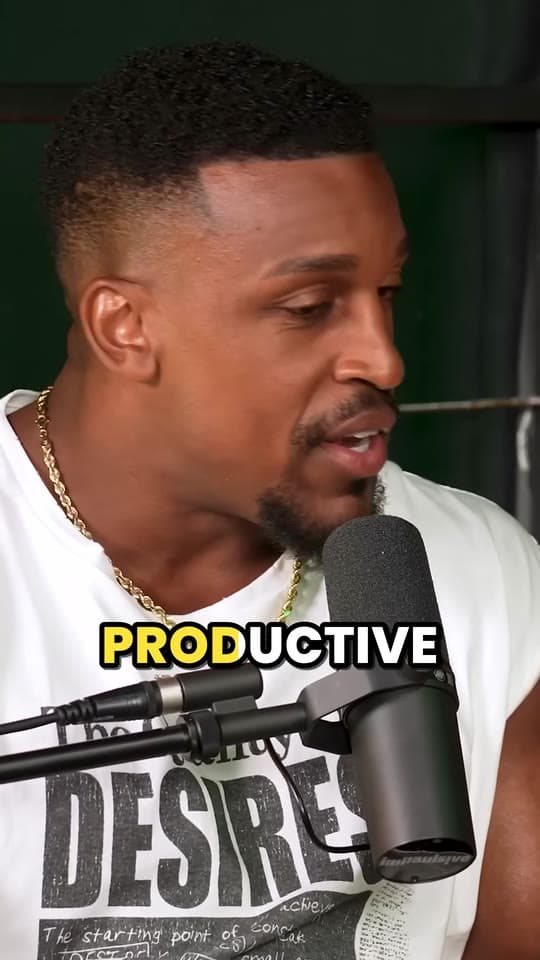
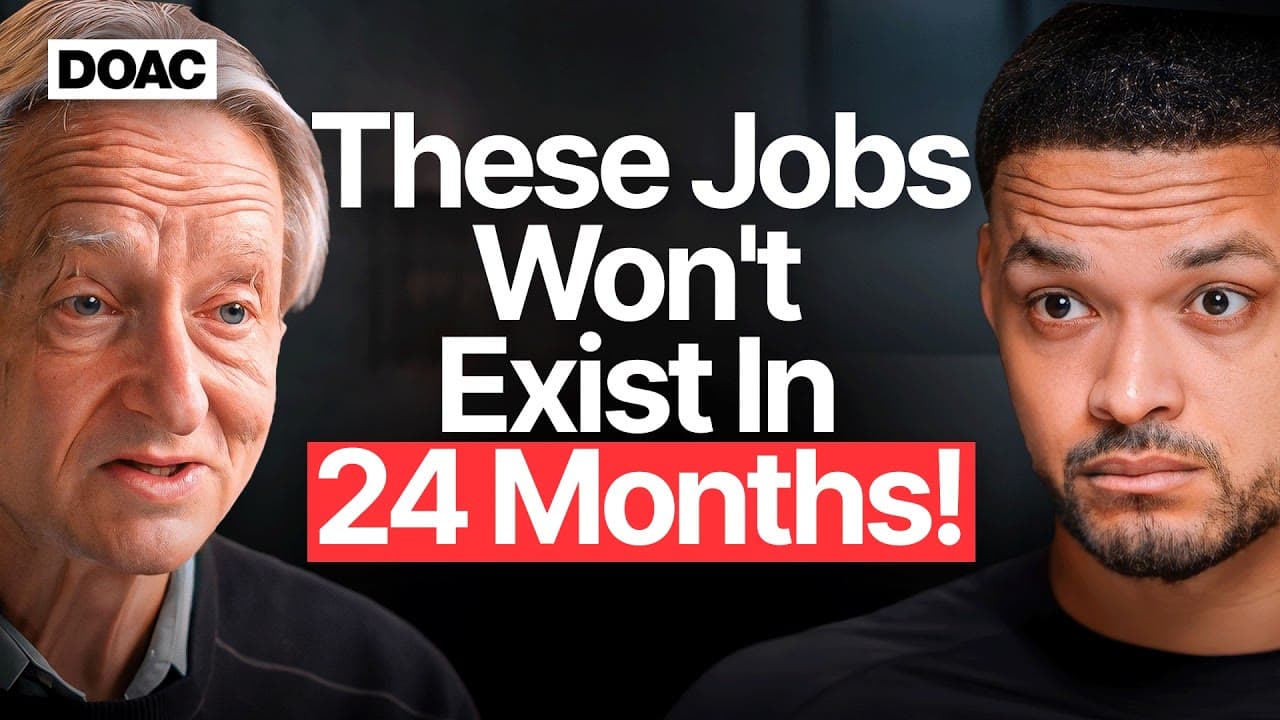
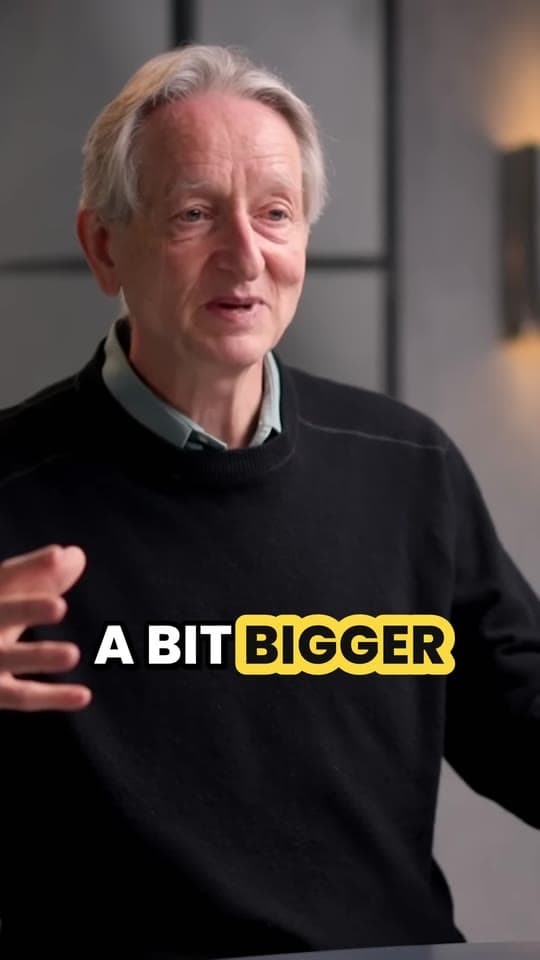
Clipping is cutting the best moments of long videos, like podcasts, streams and interviews, into short vertical clips for TikTok, Instagram Reels and YouTube Shorts. Clippers are the people who do it, and many are paid for the views their clips get.
Updated 5 min read

In short
- A clipper finds the best moments in long videos and posts them as short vertical clips.
- Creators and brands run clipping campaigns that pay clippers for every 1,000 views.
- Clippers post on their own accounts, usually faceless, and submit their clips to be paid.
- It's legit when the content's owner runs or approves the campaign.
On this page
Clipping in a minute
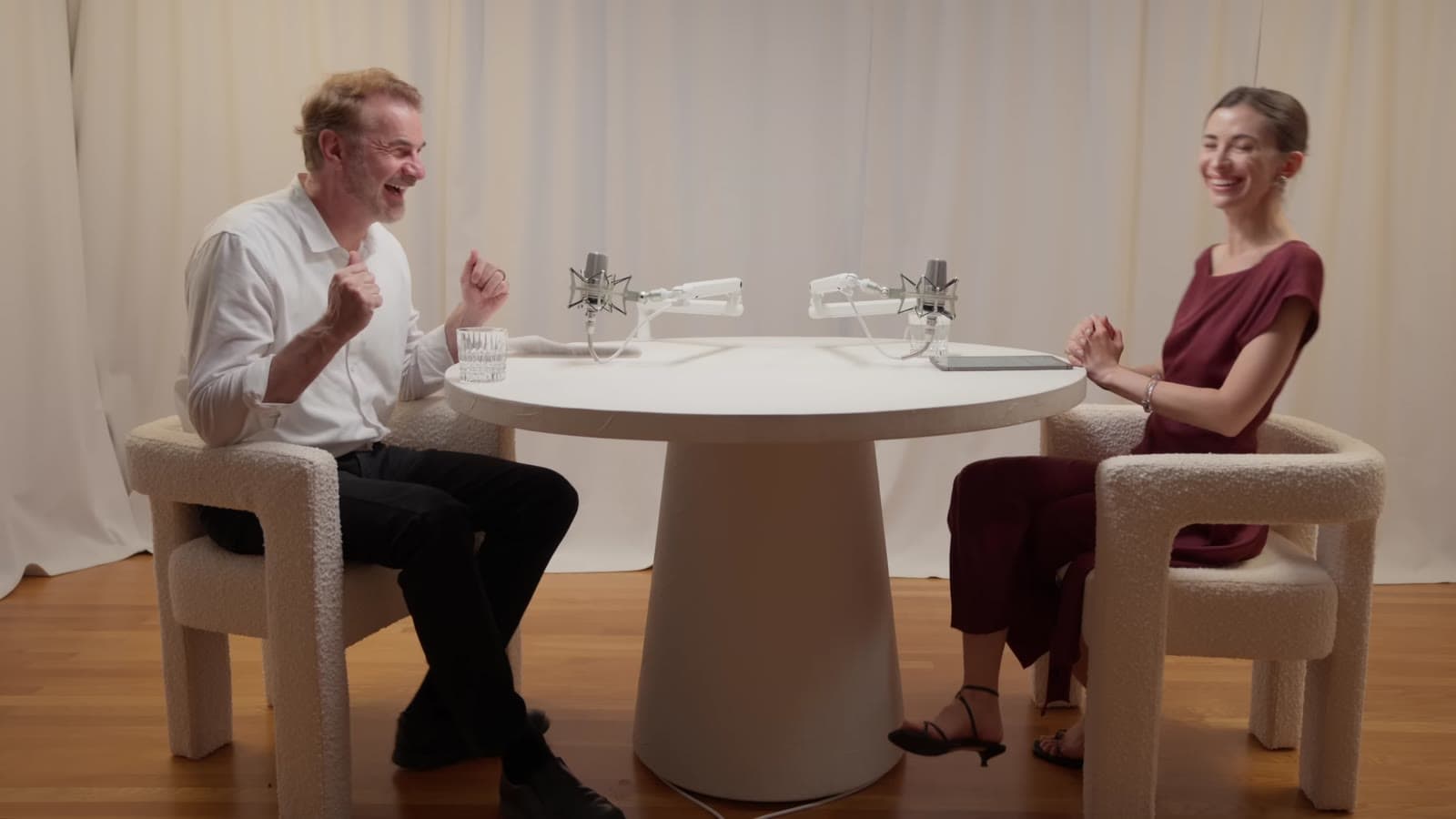
Long videos are where creators say the most, and short feeds are where new viewers find them. Clipping joins the two. A clipper watches a two-hour podcast, finds the 40 seconds where the guest tells the story everyone will share, cuts it, frames it vertically, captions it and posts it.
One long video can become ten clips, each reaching a different crowd. A clip that takes off sends new viewers back to the full episode, the channel or the product, which is why creators pay for them.
Why creators and brands pay for clips
Short-form feeds reward volume. A creator who posts one clip a day is up against accounts posting dozens. Clippers give them that volume, on many accounts at once, each with its own audience.
Paying per view keeps it fair on both sides: the creator only pays for clips that get watched, and clippers earn more for clips that do well. For brands and apps, it's advertising that looks like the content people came for, so they watch it instead of skipping it.
How a clipping campaign works
- The brief. The creator or brand sets a rate per 1,000 views, a budget, the apps that count and the rules for posts.
- The clips. Clippers cut clips from the creator's videos and post them on their own accounts.
- The submission. Each clipper submits links to their clips once they're live.
- The count. Views are counted for a set time, and clips that break a rule are turned down.
- The payout. Approved clips are paid at the rate, up to the caps, until the budget runs out.
Campaigns are listed on platforms that track the views and handle the payouts, or run in a creator's own community. Rules differ a lot between them, so read every brief: the checklist in our money guide covers what to look for.
Who clippers are
- Side hustlers posting a few clips a day around a job or school.
- Faceless channels built around one creator or one niche, posting every day.
- Editors who clip for clients for a monthly fee instead of per view.
- Clipping agencies running many accounts for many creators at once. See how to start a clipping agency.
Clipping vs. video editing
| Clipping | Editing | |
|---|---|---|
| Paid | Per view | Per project or per hour |
| Picks the moments | The clipper | The client |
| Output | Many clips, fast | Fewer pieces, more polish |
| Posted on | The clipper's own accounts | The client's accounts |
Clipping is closer to running a media account than to editing for hire: you choose what to post, and you're paid on how it does.
Is clipping legit?
Yes, when the owner of the content wants the clips. A campaign run by a creator, a brand or a label, or by a platform working for them, gives you permission to post their content and pays for results. Be careful with:
- Anyone who asks you to pay to join a campaign.
- Campaigns with no clear rate, cap or payout terms.
- Clipping creators who never asked for it. Without permission, clips can be taken down for copyright, and nobody pays for them.
More on permission, fair use and the apps' rules in is clipping legal?
Clipping terms to know
- Campaign
- A creator's or brand's offer to pay for clips of their content, with a rate, a budget and rules.
- Rate, or CPM
- What a campaign pays per 1,000 views. A $1 CPM is $1 for every 1,000 views.
- Cap
- The most one clip, or one clipper, can earn from a campaign.
- Budget
- The campaign's total. When it's spent, the campaign ends.
- Approval
- The campaign's check that a clip follows its rules before it's paid.
- Hook
- The first line or second of a clip, which decides whether people keep watching. Try the hook generator.
- Safe zone
- The middle of a vertical video, which the apps' buttons and text don't cover. See it with the safe zone checker.
- Faceless account
- An account that posts clips of other people's content and never shows its owner.
- 9:16
- The vertical shape of TikTok, Reels and Shorts: 1080 × 1920 pixels.
How to start clipping
Pick one campaign in a niche you know, make an account for it on each app, and post a few clips a day for two weeks. Then look at what worked. The step-by-step guide to making money clipping covers each step, from reading a brief to submitting your clips.
Questions
What does a clipper do?
A clipper finds the best moments in long videos, cuts them into short clips, frames them vertically, adds captions and posts them on TikTok, Reels and Shorts, usually for campaigns that pay per view.
Is clipping the same as reposting?
No. Reposting puts someone's video up as it is. A clip is a new edit: a moment cut from a long video, framed vertically and captioned. The apps favor original edits over reposts, and campaigns want edited clips.
Do clipping campaigns pay for every view?
Usually per 1,000 views, often only after a clip passes a minimum and only up to a cap per clip. Each campaign sets its own rules, so check them before you post.
Is clipping a good side hustle?
It can be. It needs no audience, no camera and little money to start, beyond a way to make clips. What it does need is volume and consistency, which is why most clippers use a tool to make clips faster.
What's the best tool for clipping?
One that does the slow parts for you: finding the moments, cropping to 9:16 and captioning every word. Clyper does all three from a YouTube link or an upload, with up to 30 clips per video.