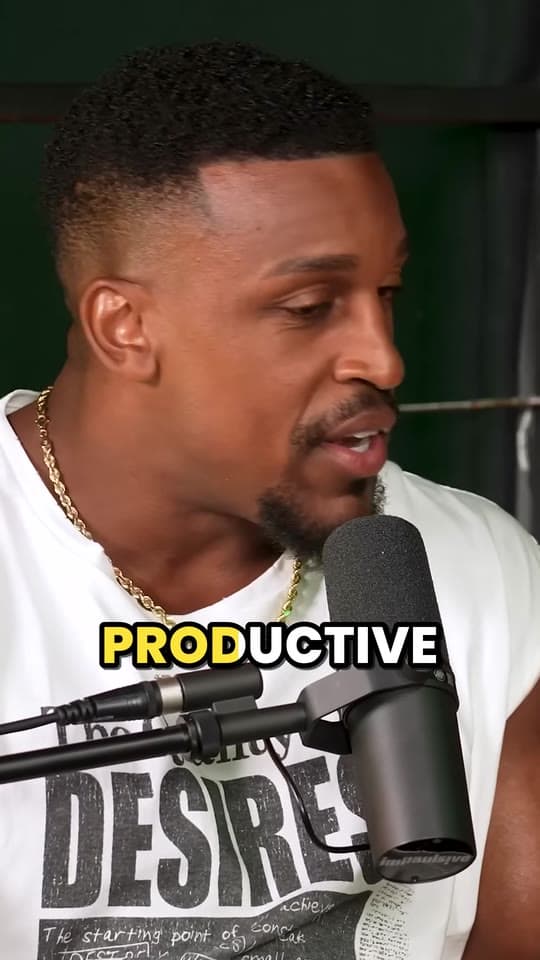
What is a talking head video?
Also called Talking headUpdated
From Clyper, the AI clipping tool that turns long videos into captioned vertical clips for TikTok, Reels and Shorts.
Get startedTalking head video, defined
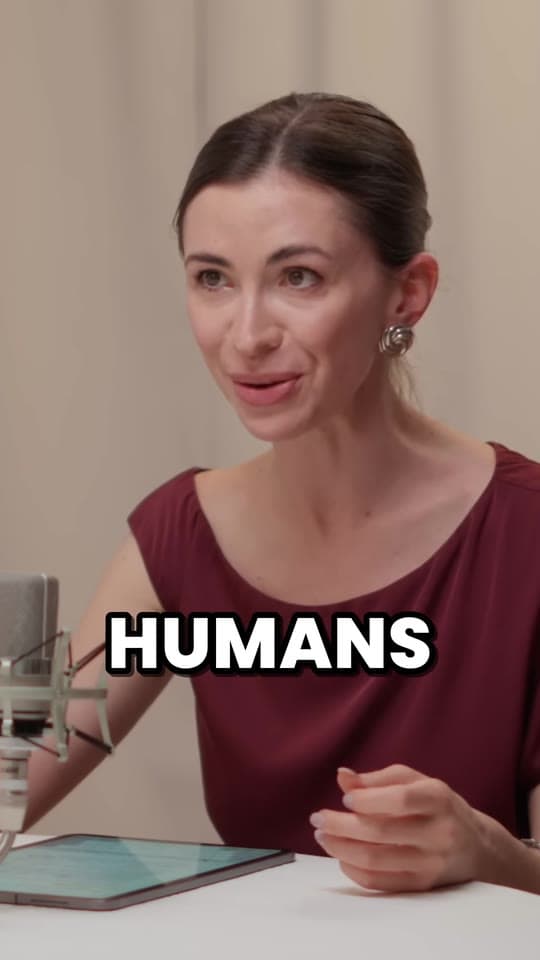
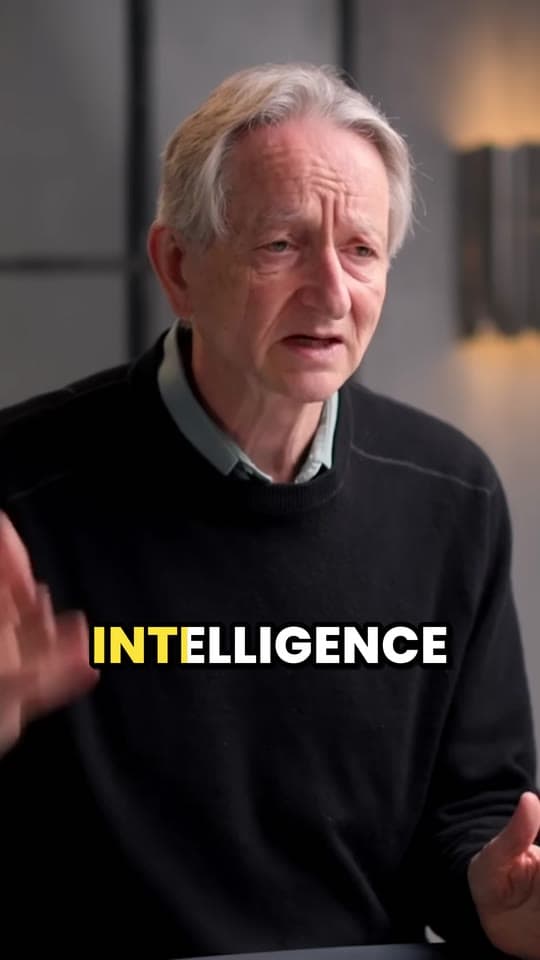
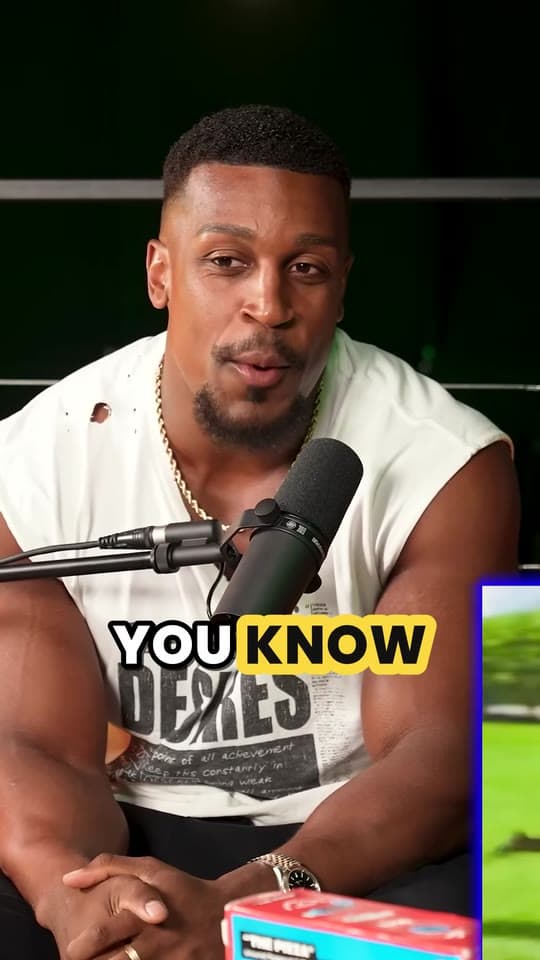
A talking head video is footage of a person speaking, to the camera or to someone off screen, usually framed from the chest up, where the words carry the video. Podcasts, interviews, sermons, lectures, vlogs and explainers are talking head videos, and they're the easiest long videos to cut into short clips.
What counts as a talking head video, and why it clips well
The name comes from television: a newsreader or a pundit shown from the shoulders up, a head that talks. Online it covers three shapes of video:
- One person to camera: vlogs, explainers, course videos, a sermon or a lecture filmed from the back of the room.
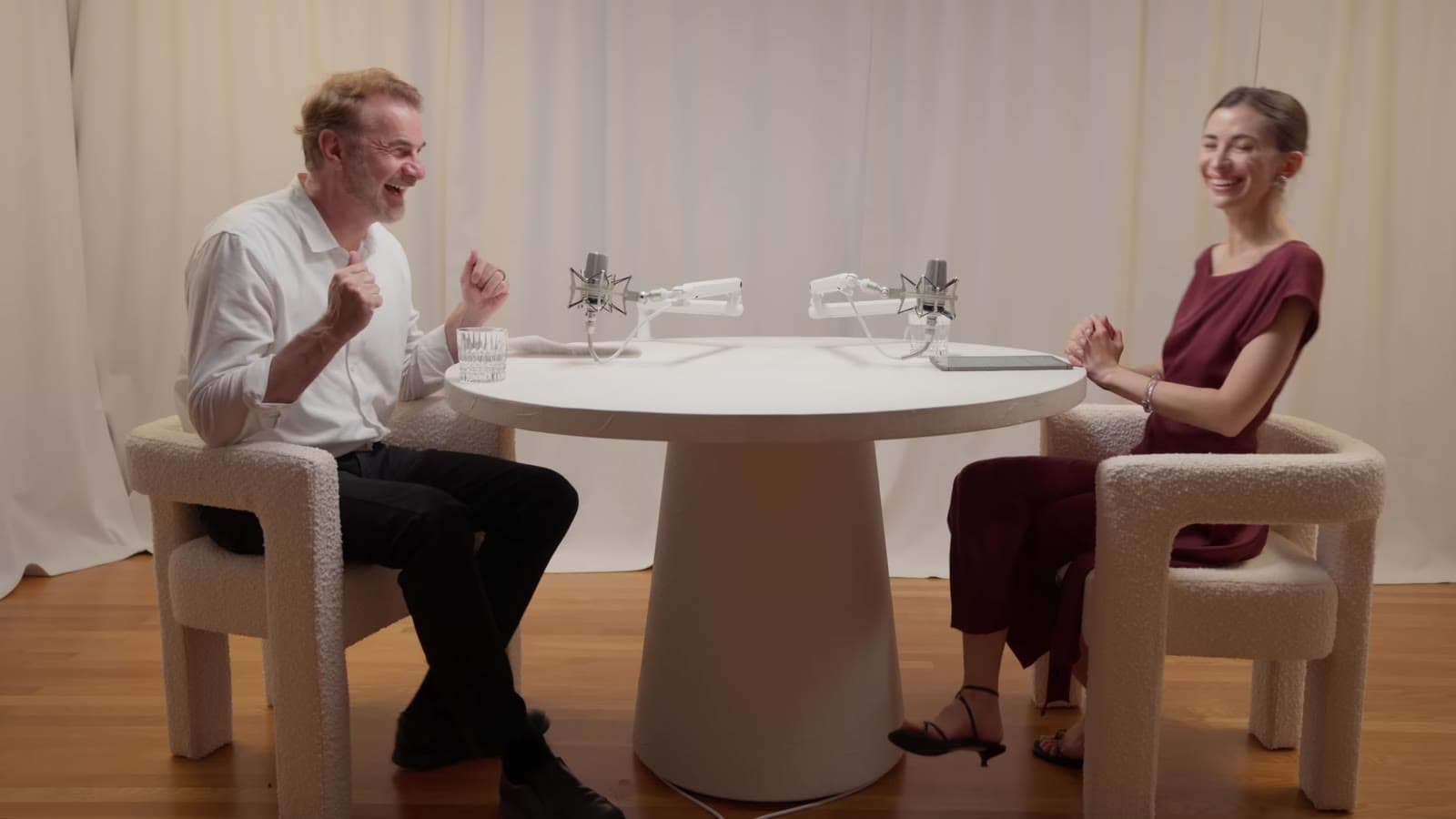
- A conversation: podcasts and interviews, usually filmed wide at 16:9 with two or more people, sometimes with a camera on each.
- A talking head with cutaways: slides, B-roll or a screen recording between shots of the speaker.
Talking heads make the best raw material for clips because the value is in the words. Any stretch that stands on its own (a story, a strong opinion, a surprising answer) can be a clip, and a transcript shows exactly where those stretches are. They're also long and frequent: a weekly podcast is hours of new footage every week. Compare a silent gameplay highlight, which no transcript can find. That's why AI clipping tools, Clyper included, work best on them, and why podcasts and interviews come first among the best clipping niches.
How to keep a talking head watchable in 9:16
A 9:16 crop of a 16:9 video keeps about 32% of its width, so every talking head clip is a choice about who's in frame:
- One speaker: crop on them, eyes about a third of the way down, with the bottom of the frame left for captions. Follow them when they lean or turn, smoothly, or a fixed crop cuts off half a face.
- Two or more: a crop of the middle often lands on the gap between them. Frame whoever's talking and switch when the other person answers, which is speaker tracking; or stack them, one above the other, when the reaction matters as much as the answer.
- Sharpness: a crop of a 1080p video is enlarged 1.8× to fill a phone, and of a 720p one 2.7×, past the 2× where it starts to look soft. Record at 1080p or more, and clip from the best copy.
- Captions on every word, in the lower middle, clear of the app's buttons (see safe zone). A face talking with the sound off says nothing.
For the full routine for a show, see how to clip podcasts.
Why some talking head clips fall flat
- It points at something you can't see. “As you can see on this chart” means nothing in a crop of the speaker.
- It needs the setup. “Like I said earlier” or an inside joke loses everyone who wasn't there.
- It opens on the question. Start on the answer's first strong line, and put the question in a text hook if it's needed.
- It starts or stops mid-sentence, or ends before the payoff lands.
Questions
Why is it called a talking head video?
The name comes from television, where a newsreader or an expert shown from the shoulders up was a talking head. Online it means any video carried by a person speaking: podcasts, interviews, vlogs, sermons, lectures and explainers.
Are talking head videos good for TikTok, Reels and Shorts?
Yes, as clips: one moment that stands on its own, vertical, with the speaker in frame and every word captioned. A whole talking head video rarely works in a feed; its best minute often does.
How do you make a talking head video vertical?
Crop it to 9:16 on the speaker. With one person in the middle, a fixed crop works. With two or more, the crop has to follow whoever's talking and switch when the other person answers, or the two can be stacked one above the other.
How should I film a talking head so it clips well?
At 1080p or more, with room around the speaker so a vertical crop can follow them, and a camera on each person if you can: close-ups make the sharpest clips. Good sound matters most, since the words are the clip.