Captions vs subtitles: what's the difference?
Updated
From Clyper, the AI clipping tool that turns long videos into captioned vertical clips for TikTok, Reels and Shorts.
Get startedCaptions vs subtitles, defined
Captions and subtitles both put a video's words on screen, for different viewers. Captions are for people who can't hear the audio: the words in the same language, plus sounds like [laughter]. Subtitles are for people who can hear but don't speak the language: a translation of the dialogue. In the UK, “subtitles” covers both.
The difference between captions and subtitles
The W3C, which writes the web's accessibility guidelines, draws the line by who's reading:
| Captions | Subtitles | |
|---|---|---|
| Made for | People who are deaf or hard of hearing, and anyone watching without sound | People who can hear but don't know the language |
| Language | The same as the speech | A translation into another language |
| What's in them | The speech, plus the sounds needed to follow it, like music, laughter and who's speaking | The dialogue only |
| An accessibility requirement? | Yes: WCAG requires them for prerecorded video at its first level, A | Not directly |
| Also called | Closed or open captions; intralingual subtitles | Interlingual subtitles; translations |
WCAG defines captions as a text alternative for “both speech and non-speech audio information needed to understand the media content”, and its technique pages add that subtitles give “only the dialogue, in a different human language, and do not include important sounds.” So a line reading [door slams] belongs in captions, and a French translation of the dialogue is a subtitle. Whether either is shown always or switched on by the viewer is a separate question: burned-in vs closed captions.
Captions vs subtitles in the US and the UK
The split above is the American one: in the US, captions usually means same-language text, and subtitles a translation. In the UK, it's subtitles either way. The BBC's Subtitle Guidelines call the text it makes mainly for viewers with hearing loss subtitles, and say its closed subtitles are “also known as closed captions”. WCAG notes that in some countries captions are called subtitles, and the W3C calls same-language ones intralingual subtitles.
The apps mix the words as well:
- YouTube puts “subtitles and captions” together in its help, and its caption settings say “captions (subtitles)”.
- TikTok said when it launched auto captions in 2021 that they “automatically generate subtitles”.
- Instagram calls the text it writes from a reel's speech closed captions.
So on short-video apps, both words usually mean the same thing: the speech, on screen, in the language it was spoken in.
Which one short clips need
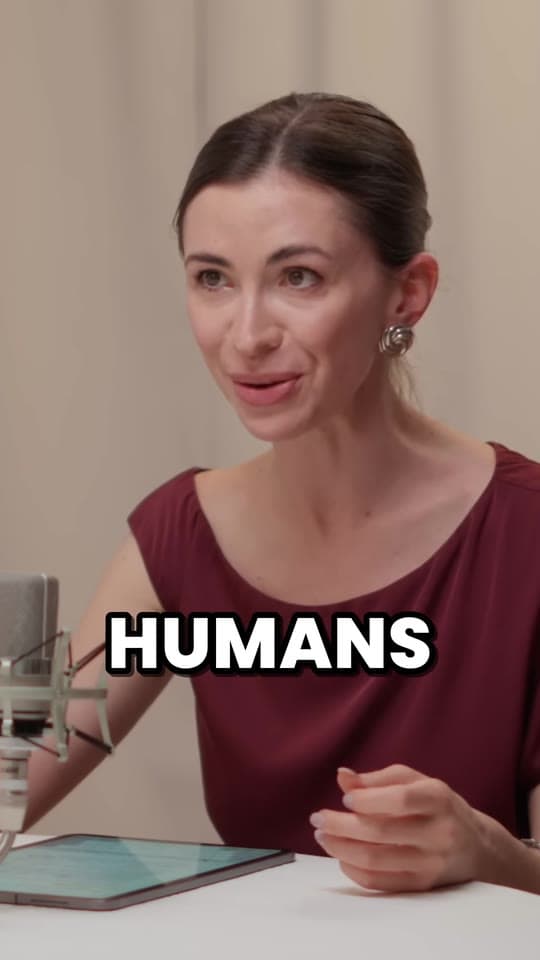
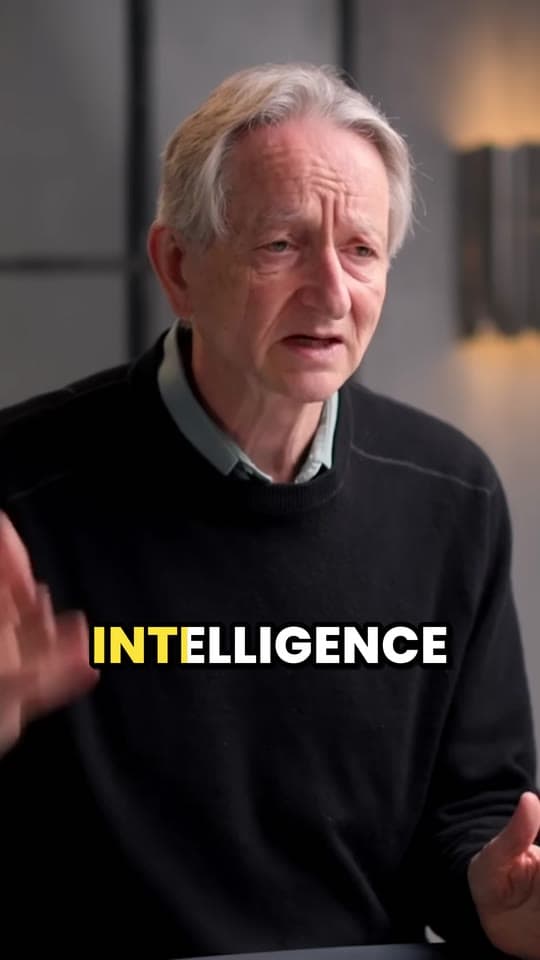
Captions. A clip of a podcast or a stream is watched in the language it was spoken in, often on mute, so what it needs is that speech on screen, timed to the voice, even when an app's menu calls it subtitles. For clips that means:
- Burned in, so they show on every app and for every viewer.
- A few words at a time, with the spoken word lit up (karaoke captions), rather than whole sentences.
- A sound cue where a sound carries the moment. YouTube's help suggests text like [applause]; the BBC's guidelines say to label only the sounds that matter to understanding, and to describe sounds, not actions.
- Checked. The W3C says automatic captions aren't enough unless they're confirmed to be fully accurate. Read each clip's once with the sound on.
Subtitles are for reaching viewers in another language, usually as a separate track on a full YouTube video, where YouTube Studio lets you add a language. How subtitle files work is in what is an SRT file, and every way to add them in how to add subtitles to a video.
Questions
What is the difference between captions and subtitles?
Captions are for viewers who can't hear the audio: the speech in the same language, plus important sounds like [laughter]. Subtitles are for viewers who can hear but don't know the language: a translation of the dialogue only. In the UK, subtitles is used for both.
Are closed captions the same as subtitles?
Not quite. Closed captions are captions a viewer can turn on or off, and they include important sounds as well as speech. Subtitles translate the dialogue. In the UK, though, the BBC calls its same-language text subtitles, and many apps use the two words for the same thing.
Do TikToks, Reels and Shorts need captions or subtitles?
Captions: the speech on screen, in the language of the video, for the many people who watch on mute. Clippers usually burn them into the clip so they show on every app. Subtitles in another language are only needed to reach viewers who don't speak it.
Does Clyper translate captions?
No. Clyper captions every clip in the language the video is spoken in, from more than 50, and doesn't translate. You can fix any word in the editor before you download.
Sources
The apps' rules are from their own pages, read on October 27, 2026. They change from time to time, so check them before you rely on one.
- W3C WAI: captions/subtitles
- W3C: WCAG 2.2, definition of captions
- W3C: technique G87, providing closed captions (captions vs subtitles)
- BBC Subtitle Guidelines
- YouTube Help: add subtitles and captions
- YouTube Help: manage caption settings
- TikTok Newsroom: introducing auto captions (April 6, 2021)
- Instagram Help: manage closed captions for your reels